0
U.S. (TOLL FREE)
+1 (315) 215-3225
Automative

0
U.S. (TOLL FREE)
+1 (315) 215-3225
Dry Natural Gas Market By Source (Onshore, Offshore), By End Use (Power Generation, Transportation, Residential, Commercial, Industrial, Others): Global Opportunity Analysis and Industry Forecast, 2021-2031
Published Date: 2023-03-01
|
Report Code: ALLI-Auto-1Y753
Home | Market Reports
Dry Natural Gas Market By Source Onshore Offshore By End Use Power Generation Transportation Residential Commercial Industrial Others Global Opportunity Analysis and Industry Forecast 2021 2031
BUY CHAPTERS

Dry Natural Gas Market By Source (Onshore, Offshore), By End Use (Power Generation, Transportation, Residential, Commercial, Industrial, Others): Global Opportunity Analysis and Industry Forecast, 2021-2031

Code: ALLI-Auto-1Y753
Report
2023-03-01
Pages:356
Allied Market Research
Buy Now with 15% Discount
DESCRIPTION
TABLE OF CONTENT
TABLES & FIGURES

Dry Natural Gas Market Size

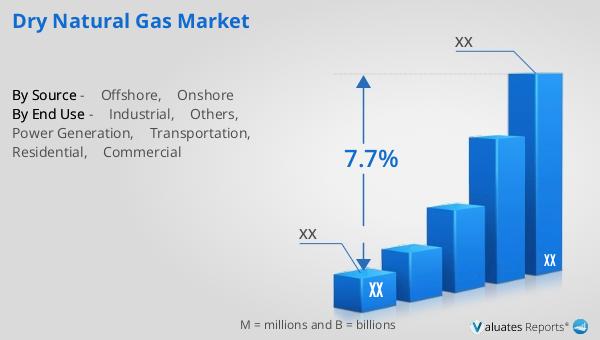
According to a new report published by , titled, “Dry Natural Gas Market," The dry natural gas market was valued at $0.7 trillion in 2021, and is estimated to reach $1.4 trillion by 2031, growing at a CAGR of 7.7% from 2022 to 2031.

Dry Natural Gas Market

Dry Natural Gas Market

Dry gas is used as a fuel for power plants and a feedstock for petrochemical plants to produce fertilizer and methanol. According to the International Energy Association (IEA), petrochemical feedstock accounts for 12% of global oil demand, which is expected to increase fueled by rapid growth for plastics, fertilizers and other products. It also includes plastics, fertilizers, packaging, clothing, digital devices, medical equipment, and detergents. They are also found in modern energy systems, including solar panels, wind turbine blades, batteries, thermal insulation for buildings, and electric vehicle components. Around 40% of the ethane-based petrochemical production capacity is situated in the U.S. Energy consumption and demand for refined petroleum products has surged significantly across India and China.
In addition, natural gas imports are expected to rise in China and reached 138.371 billion cubic meter (bcm) in 2020, while further, meeting the increasing domestic demand. Moreover, in December 2020, the Indian government announced a USD 60 billion investment for creating gas pipeline infrastructure, mainly onshore, which covers the expansion of Compressed Natural Gas pipeline networks (CGD) in 232 geographical areas across the country by 2024. Henceforth, significant factors such as the increasing demand for crude oil and natural gas along with new pipeline infrastructure in the Asia-Pacific region are expected to drive the onshore oil and gas pipeline market growth which create opportunities for dry natural gas production.
Increasing offshore oil and gas exploration and production activities are expected to drive the market during the forecast period. Several technological advancements and optimization of available resources are expected to create many opportunities for the offshore oilfield services market in the future. Asia-Pacific, due to its recent deep-water exploration and production activities, is expected to witness significant market growth during the forecast period. The transportation sector is expected to witness significant growth during the forecast period, owing to various factors such as an increase in investments in hydrogen cars, and a rise in the number of fuel cell-based vehicles. China outlined a new comprehensive transportation system in the 14th Five-Year Plan (2021-2025). According to the circular, by 2025, China is projected to initiate pursuing intelligent and green transportation, as well as significant advances in overall competence, service quality, and efficiency of the transportation industry. This plan aims to improve the transportation industry's roads, trains, ports, and waterways.
The natural gas segment holds a major global domestic heating (gas fuel-based) appliances market owing to its widespread usage for generating electricity and cooking purposes in homes. In addition, government initiatives to improve energy efficiency across global industrial businesses and technological advancements encourage manufacturers to prioritize innovative and efficient household appliances such as heating products. Rising consumer demand for smart home appliances and increase in consumer preference for buying smart housing facilities will drive the growth of the heating appliances (gas fuel-based) market.
The rapid industrialization across the globe and increase in population led to a surge in demand for various industrial products. Chemicals are used in consumer goods, agriculture manufacturing, construction, and service industries. Major industrial customers include rubber and plastic products, textiles, apparel, petroleum refining, pulp and paper, and primary metals. Furthermore, rapid expansion of heavy industries such as chemical plants, manufacturing facilities, refineries, and other industrial facilities across the globe acts as the key driving force for dry natural gas market in industrial segment during the forecast period. 
In addition, it is used as a feedstock for the manufacturing of several chemicals' products. Gases such as butane, ethane, and propane may be extracted from natural gas to be used as a feedstock for products such as fertilizers and pharmaceutical products. Industrial consumers have great benefits from operating natural gas Combined Heat and Power (CHP) and Combined Cooling, Heat, and Power (CCHP) systems, like those used in commercial sectors. For instance, natural gas is used to generate electricity, the excess heat and steam produced utilize to fulfill other industrial applications, including space heating, water heating, and powering industrial boilers.
In the European Union, the Energy Council adopted a provisional market correction mechanism (MCM) in December 2022 to limit excessive price volatility on the European gas hubs. According to the council’s decision, the mechanism will apply from 15 February 2023 for a time frame of one year. The European Commission can suspend the mechanism if unintended market disturbances occur, which negatively affects security of supply, intra-EU flows and financial stability. Denmark adopted its Power-to-X Strategy in March 2022 to accelerate the conversion of electricity into green hydrogen and other e-fuels over ten years. The country aims to build 4-6 GW of electrolysis capacity by 2030. The strategy is intended to support the use of green hydrogen particularly in sectors like shipping and aviation, as well as heavy road transport and industry. Germany published its National Hydrogen Strategy in June 2020, with a target for 5 GW of electrolyzer capacity by 2030.
Key findings of the study
North America is expected to exhibit CAGR of 8.1% during 2021-2031.
By source, onshore is expected to exhibit CAGR of 7.9% during 2021-2031.
By end use, transportation had the largest market share in 2021.

Overview

The global dry natural gas market size was valued at $0.7 trillion in 2021, and is projected to reach $1.4 trillion by 2031, growing at a CAGR of 7.7% from 2022 to 2031.
Dry natural gas is crucial for the formation of compressed natural gas and liquid natural gas. It almost contains methane. After removing all the impurities such as liquefied hydrocarbon and non-hydrocarbon from natural gas, dry gas remains. Dry natural gas is widely used in heating and cooling applications. Compressed dry gas is used as vehicle fuel. Rise in demand for dry natural gas as cleaner alternative to fossil fuel is expected to dominate the growth market during forecast period. For the production of dry gas, onshore is a significant source. Shale gas and tight gas are primarily utilized in the commercial and household sectors for heating, cooling and power generation.
Decarbonization policies have been proposed in several parts of the U.S. as part of the transition to a low-carbon nation. These policies rely on a variety of measures, implement renewable portfolio standards, establish net carbon-neutral clean energy standards, economy-wide targets for carbon reduction, and mandate the adoption of specific technologies. These factors create opportunities for the market. The increased environmental concerns, increased government initiatives for the construction of dry gas processing infrastructure, expensive initial infrastructure investment, and technology advancement are all significant factors influencing the growth of the global dry natural gas market. During the forecast period, each of these variables is expected to have a significant impact on the dry natural gas market.
According to the U.S. Energy Information Administration, natural gas consumption in the U.S. is expected to increase by 3.6 billion cubic feet (Bcf/d) in 2022 compared to 2021 levels to an average of 86.6 Bcf/d per year. In addition, the natural gas consumption of the U.S. in 2022 is expected to rise across all end-use sectors, led by electric power, residential and commercial. The largest consumer of natural gas in the U.S. in 2022 is expected to be the electric power sector, with its annual consumption increasing by 1.2 Bcf/d to average 32.1 Bcf/d, which is 0.3 Bcf/d higher than the previous record set in 2020 of 31.8 Bcf/d. A historical trend shows that this sector is sensitive to changes in natural gas prices concerning coal prices. Power providers typically offset their use of natural gas for electricity generation with coal during times of high natural gas prices. Due to limitations at coal-fired power plants and weather-driven demand, the electric power consumption of natural gas in the U.S. increased in 2022.
The dry natural gas market is bifurcated on the basis of source and end use. On the basis of source, it is fragmented into onshore and offshore. On the basis of end use, the market is divided into power generation, transportation, residential, commercial, industrial, and others. On the basis of end user, the global hydrogen fuel cell market is segmented into fuel cell vehicles, utilities and defense. Region wise, the market is studied across North America, Europe, Asia-Pacific, and LAMEA. The report outlines growing drivers, restraints, and opportunities to better understand market dynamics. This report further highlights key areas of investment. In addition, it includes analysis of Porter’s five forces to understand the application competitive scenario and role of each stakeholder.
The report features strategies adopted by key market players to maintain their foothold in the market. Furthermore, it highlights the competitive landscape of key players to increase their market share and sustain intense competition in the application. Coterra Energy, China National Petroleum Corporation, Lukoil, EQT Corporation, ExxonMobil, Chevron, Shell, TotalEnergies, Rosneft and Southwestern Energy are some of the major players discussed in the report. The report explains drivers, restraints, and opportunities are explained in the report. Further, key strategies adopted by potential market leaders to facilitate effective planning have been discussed under the scope of the report.

Key Benefits For Stakeholders

●This report provides a quantitative analysis of the market segments, current trends, estimations, and dynamics of the dry natural gas market analysis from 2021 to 2031 to identify the prevailing dry natural gas market opportunities.
●The market research is offered along with information related to key drivers, restraints, and opportunities.
●Porter's five forces analysis highlights the potency of buyers and suppliers to enable stakeholders make profit-oriented business decisions and strengthen their supplier-buyer network.
●In-depth analysis of the dry natural gas market segmentation assists to determine the prevailing market opportunities.
●Major countries in each region are mapped according to their revenue contribution to the global market.
●Market player positioning facilitates benchmarking and provides a clear understanding of the present position of the market players.
●The report includes the analysis of the regional as well as global dry natural gas market trends, key players, market segments, application areas, and market growth strategies.
Key Market Segments
○ China National Petroleum Corporatio

Scope of Dry Natural Gas Market Report

Report Metric Details
Report Name Dry Natural Gas Market
CAGR 7.7%
By End Use ● Industrial
● Others
● Power Generation
● Transportation
● Residential
● Commercial
By Source ● Offshore
● Onshore
By Region
  • North America (United States, Canada)
  • Europe (Germany, France, UK, Italy, Russia) Rest of Europe
  • Nordic Countries
  • Asia-Pacific (China, Japan, South Korea)
  • Southeast Asia (India, Australia)
  • Rest of Asia
  • Latin America (Mexico, Brazil)
  • Rest of Latin America
  • Middle East & Africa (Turkey, Saudi Arabia, UAE, Rest of MEA)
Forecast units USD million in value
Report coverage Revenue and volume forecast, company share, competitive landscape, growth factors and trends
CHAPTER 1: INTRODUCTION
1.1. Report description
1.2. Key market segments
1.3. Key benefits to the stakeholders
1.4. Research Methodology
1.4.1. Primary research
1.4.2. Secondary research
1.4.3. Analyst tools and models
CHAPTER 2: EXECUTIVE SUMMARY
2.1. CXO Perspective
CHAPTER 3: MARKET OVERVIEW
3.1. Market definition and scope
3.2. Key findings
3.2.1. Top impacting factors
3.2.2. Top investment pockets
3.3. Porter’s five forces analysis
3.3.1. Bargaining power of suppliers
3.3.2. Bargaining power of buyers
3.3.3. Threat of substitutes
3.3.4. Threat of new entrants
3.3.5. Intensity of rivalry
3.4. Market dynamics
3.4.1. Drivers
3.4.1.1. Increase in demand from power generation industry
3.4.1.2. Rise in demand for onshore dry natural gas production
3.4.2. Restraints
3.4.2.1. Different geopolitical conflict & dispute in countries
3.4.3. Opportunities
3.4.3.1. Rising demand for petrochemical products
3.5. COVID-19 Impact Analysis on the market
3.6. Key Regulation Analysis
3.7. Value Chain Analysis
CHAPTER 4: DRY NATURAL GAS MARKET, BY SOURCE
4.1. Overview
4.1.1. Market size and forecast
4.2. Onshore
4.2.1. Key market trends, growth factors and opportunities
4.2.2. Market size and forecast, by region
4.2.3. Market share analysis by country
4.3. Offshore
4.3.1. Key market trends, growth factors and opportunities
4.3.2. Market size and forecast, by region
4.3.3. Market share analysis by country
CHAPTER 5: DRY NATURAL GAS MARKET, BY END USE
5.1. Overview
5.1.1. Market size and forecast
5.2. Power Generation
5.2.1. Key market trends, growth factors and opportunities
5.2.2. Market size and forecast, by region
5.2.3. Market share analysis by country
5.3. Transportation
5.3.1. Key market trends, growth factors and opportunities
5.3.2. Market size and forecast, by region
5.3.3. Market share analysis by country
5.4. Residential
5.4.1. Key market trends, growth factors and opportunities
5.4.2. Market size and forecast, by region
5.4.3. Market share analysis by country
5.5. Commercial
5.5.1. Key market trends, growth factors and opportunities
5.5.2. Market size and forecast, by region
5.5.3. Market share analysis by country
5.6. Industrial
5.6.1. Key market trends, growth factors and opportunities
5.6.2. Market size and forecast, by region
5.6.3. Market share analysis by country
5.7. Others
5.7.1. Key market trends, growth factors and opportunities
5.7.2. Market size and forecast, by region
5.7.3. Market share analysis by country
CHAPTER 6: DRY NATURAL GAS MARKET, BY REGION
6.1. Overview
6.1.1. Market size and forecast By Region
6.2. North America
6.2.1. Key trends and opportunities
6.2.2. Market size and forecast, by Source
6.2.3. Market size and forecast, by End Use
6.2.4. Market size and forecast, by country
6.2.4.1. U.S.
6.2.4.1.1. Key market trends, growth factors and opportunities
6.2.4.1.2. Market size and forecast, by Source
6.2.4.1.3. Market size and forecast, by End Use
6.2.4.2. Canada
6.2.4.2.1. Key market trends, growth factors and opportunities
6.2.4.2.2. Market size and forecast, by Source
6.2.4.2.3. Market size and forecast, by End Use
6.2.4.3. Mexico
6.2.4.3.1. Key market trends, growth factors and opportunities
6.2.4.3.2. Market size and forecast, by Source
6.2.4.3.3. Market size and forecast, by End Use
6.3. Europe
6.3.1. Key trends and opportunities
6.3.2. Market size and forecast, by Source
6.3.3. Market size and forecast, by End Use
6.3.4. Market size and forecast, by country
6.3.4.1. Germany
6.3.4.1.1. Key market trends, growth factors and opportunities
6.3.4.1.2. Market size and forecast, by Source
6.3.4.1.3. Market size and forecast, by End Use
6.3.4.2. Italy
6.3.4.2.1. Key market trends, growth factors and opportunities
6.3.4.2.2. Market size and forecast, by Source
6.3.4.2.3. Market size and forecast, by End Use
6.3.4.3. Spain
6.3.4.3.1. Key market trends, growth factors and opportunities
6.3.4.3.2. Market size and forecast, by Source
6.3.4.3.3. Market size and forecast, by End Use
6.3.4.4. UK
6.3.4.4.1. Key market trends, growth factors and opportunities
6.3.4.4.2. Market size and forecast, by Source
6.3.4.4.3. Market size and forecast, by End Use
6.3.4.5. Russia
6.3.4.5.1. Key market trends, growth factors and opportunities
6.3.4.5.2. Market size and forecast, by Source
6.3.4.5.3. Market size and forecast, by End Use
6.3.4.6. Rest of Europe
6.3.4.6.1. Key market trends, growth factors and opportunities
6.3.4.6.2. Market size and forecast, by Source
6.3.4.6.3. Market size and forecast, by End Use
6.4. Asia-Pacific
6.4.1. Key trends and opportunities
6.4.2. Market size and forecast, by Source
6.4.3. Market size and forecast, by End Use
6.4.4. Market size and forecast, by country
6.4.4.1. China
6.4.4.1.1. Key market trends, growth factors and opportunities
6.4.4.1.2. Market size and forecast, by Source
6.4.4.1.3. Market size and forecast, by End Use
6.4.4.2. Japan
6.4.4.2.1. Key market trends, growth factors and opportunities
6.4.4.2.2. Market size and forecast, by Source
6.4.4.2.3. Market size and forecast, by End Use
6.4.4.3. India
6.4.4.3.1. Key market trends, growth factors and opportunities
6.4.4.3.2. Market size and forecast, by Source
6.4.4.3.3. Market size and forecast, by End Use
6.4.4.4. South Korea
6.4.4.4.1. Key market trends, growth factors and opportunities
6.4.4.4.2. Market size and forecast, by Source
6.4.4.4.3. Market size and forecast, by End Use
6.4.4.5. Rest of Asia-Pacific
6.4.4.5.1. Key market trends, growth factors and opportunities
6.4.4.5.2. Market size and forecast, by Source
6.4.4.5.3. Market size and forecast, by End Use
6.5. LAMEA
6.5.1. Key trends and opportunities
6.5.2. Market size and forecast, by Source
6.5.3. Market size and forecast, by End Use
6.5.4. Market size and forecast, by country
6.5.4.1. Brazil
6.5.4.1.1. Key market trends, growth factors and opportunities
6.5.4.1.2. Market size and forecast, by Source
6.5.4.1.3. Market size and forecast, by End Use
6.5.4.2. Saudi Arabia
6.5.4.2.1. Key market trends, growth factors and opportunities
6.5.4.2.2. Market size and forecast, by Source
6.5.4.2.3. Market size and forecast, by End Use
6.5.4.3. UAE
6.5.4.3.1. Key market trends, growth factors and opportunities
6.5.4.3.2. Market size and forecast, by Source
6.5.4.3.3. Market size and forecast, by End Use
6.5.4.4. South Africa
6.5.4.4.1. Key market trends, growth factors and opportunities
6.5.4.4.2. Market size and forecast, by Source
6.5.4.4.3. Market size and forecast, by End Use
6.5.4.5. Rest of LAMEA
6.5.4.5.1. Key market trends, growth factors and opportunities
6.5.4.5.2. Market size and forecast, by Source
6.5.4.5.3. Market size and forecast, by End Use
CHAPTER 7: COMPETITIVE LANDSCAPE
7.1. Introduction
7.2. Top winning strategies
7.3. Product Mapping of Top 10 Player
7.4. Competitive Dashboard
7.5. Competitive Heatmap
7.6. Top player positioning, 2021
CHAPTER 8: COMPANY PROFILES
8.1. ExxonMobil
8.1.1. Company overview
8.1.2. Key Executives
8.1.3. Company snapshot
8.1.4. Operating business segments
8.1.5. Product portfolio
8.1.6. Business performance
8.1.7. Key strategic moves and developments
8.2. Chevron
8.2.1. Company overview
8.2.2. Key Executives
8.2.3. Company snapshot
8.2.4. Operating business segments
8.2.5. Product portfolio
8.2.6. Business performance
8.2.7. Key strategic moves and developments
8.3. Shell
8.3.1. Company overview
8.3.2. Key Executives
8.3.3. Company snapshot
8.3.4. Operating business segments
8.3.5. Product portfolio
8.3.6. Business performance
8.3.7. Key strategic moves and developments
8.4. China National Petroleum Corporation
8.4.1. Company overview
8.4.2. Key Executives
8.4.3. Company snapshot
8.4.4. Operating business segments
8.4.5. Product portfolio
8.4.6. Business performance
8.4.7. Key strategic moves and developments
8.5. TotalEnergies
8.5.1. Company overview
8.5.2. Key Executives
8.5.3. Company snapshot
8.5.4. Operating business segments
8.5.5. Product portfolio
8.5.6. Business performance
8.5.7. Key strategic moves and developments
8.6. Rosneft
8.6.1. Company overview
8.6.2. Key Executives
8.6.3. Company snapshot
8.6.4. Operating business segments
8.6.5. Product portfolio
8.6.6. Business performance
8.6.7. Key strategic moves and developments
8.7. Lukoil
8.7.1. Company overview
8.7.2. Key Executives
8.7.3. Company snapshot
8.7.4. Operating business segments
8.7.5. Product portfolio
8.7.6. Business performance
8.8. EQT Corporation
8.8.1. Company overview
8.8.2. Key Executives
8.8.3. Company snapshot
8.8.4. Operating business segments
8.8.5. Product portfolio
8.8.6. Business performance
8.9. Coterra Energy
8.9.1. Company overview
8.9.2. Key Executives
8.9.3. Company snapshot
8.9.4. Operating business segments
8.9.5. Product portfolio
8.9.6. Business performance
8.10. Southwestern Energy
8.10.1. Company overview
8.10.2. Key Executives
8.10.3. Company snapshot
8.10.4. Operating business segments
8.10.5. Product portfolio
8.10.6. Business performanc
LIST OF TABLES
TABLE 01. GLOBAL DRY NATURAL GAS MARKET, BY SOURCE, 2021-2031 ($BILLION)
TABLE 02. DRY NATURAL GAS MARKET FOR ONSHORE, BY REGION, 2021-2031 ($BILLION)
TABLE 03. DRY NATURAL GAS MARKET FOR OFFSHORE, BY REGION, 2021-2031 ($BILLION)
TABLE 04. GLOBAL DRY NATURAL GAS MARKET, BY END USE, 2021-2031 ($BILLION)
TABLE 05. DRY NATURAL GAS MARKET FOR POWER GENERATION, BY REGION, 2021-2031 ($BILLION)
TABLE 06. DRY NATURAL GAS MARKET FOR TRANSPORTATION, BY REGION, 2021-2031 ($BILLION)
TABLE 07. DRY NATURAL GAS MARKET FOR RESIDENTIAL, BY REGION, 2021-2031 ($BILLION)
TABLE 08. DRY NATURAL GAS MARKET FOR COMMERCIAL, BY REGION, 2021-2031 ($BILLION)
TABLE 09. DRY NATURAL GAS MARKET FOR INDUSTRIAL, BY REGION, 2021-2031 ($BILLION)
TABLE 10. DRY NATURAL GAS MARKET FOR OTHERS, BY REGION, 2021-2031 ($BILLION)
TABLE 11. DRY NATURAL GAS MARKET, BY REGION, 2021-2031 ($BILLION)
TABLE 12. NORTH AMERICA DRY NATURAL GAS MARKET, BY SOURCE, 2021-2031 ($BILLION)
TABLE 13. NORTH AMERICA DRY NATURAL GAS MARKET, BY END USE, 2021-2031 ($BILLION)
TABLE 14. NORTH AMERICA DRY NATURAL GAS MARKET, BY COUNTRY, 2021-2031 ($BILLION)
TABLE 15. U.S. DRY NATURAL GAS MARKET, BY SOURCE, 2021-2031 ($BILLION)
TABLE 16. U.S. DRY NATURAL GAS MARKET, BY END USE, 2021-2031 ($BILLION)
TABLE 17. CANADA DRY NATURAL GAS MARKET, BY SOURCE, 2021-2031 ($BILLION)
TABLE 18. CANADA DRY NATURAL GAS MARKET, BY END USE, 2021-2031 ($BILLION)
TABLE 19. MEXICO DRY NATURAL GAS MARKET, BY SOURCE, 2021-2031 ($BILLION)
TABLE 20. MEXICO DRY NATURAL GAS MARKET, BY END USE, 2021-2031 ($BILLION)
TABLE 21. EUROPE DRY NATURAL GAS MARKET, BY SOURCE, 2021-2031 ($BILLION)
TABLE 22. EUROPE DRY NATURAL GAS MARKET, BY END USE, 2021-2031 ($BILLION)
TABLE 23. EUROPE DRY NATURAL GAS MARKET, BY COUNTRY, 2021-2031 ($BILLION)
TABLE 24. GERMANY DRY NATURAL GAS MARKET, BY SOURCE, 2021-2031 ($BILLION)
TABLE 25. GERMANY DRY NATURAL GAS MARKET, BY END USE, 2021-2031 ($BILLION)
TABLE 26. ITALY DRY NATURAL GAS MARKET, BY SOURCE, 2021-2031 ($BILLION)
TABLE 27. ITALY DRY NATURAL GAS MARKET, BY END USE, 2021-2031 ($BILLION)
TABLE 28. SPAIN DRY NATURAL GAS MARKET, BY SOURCE, 2021-2031 ($BILLION)
TABLE 29. SPAIN DRY NATURAL GAS MARKET, BY END USE, 2021-2031 ($BILLION)
TABLE 30. UK DRY NATURAL GAS MARKET, BY SOURCE, 2021-2031 ($BILLION)
TABLE 31. UK DRY NATURAL GAS MARKET, BY END USE, 2021-2031 ($BILLION)
TABLE 32. RUSSIA DRY NATURAL GAS MARKET, BY SOURCE, 2021-2031 ($BILLION)
TABLE 33. RUSSIA DRY NATURAL GAS MARKET, BY END USE, 2021-2031 ($BILLION)
TABLE 34. REST OF EUROPE DRY NATURAL GAS MARKET, BY SOURCE, 2021-2031 ($BILLION)
TABLE 35. REST OF EUROPE DRY NATURAL GAS MARKET, BY END USE, 2021-2031 ($BILLION)
TABLE 36. ASIA-PACIFIC DRY NATURAL GAS MARKET, BY SOURCE, 2021-2031 ($BILLION)
TABLE 37. ASIA-PACIFIC DRY NATURAL GAS MARKET, BY END USE, 2021-2031 ($BILLION)
TABLE 38. ASIA-PACIFIC DRY NATURAL GAS MARKET, BY COUNTRY, 2021-2031 ($BILLION)
TABLE 39. CHINA DRY NATURAL GAS MARKET, BY SOURCE, 2021-2031 ($BILLION)
TABLE 40. CHINA DRY NATURAL GAS MARKET, BY END USE, 2021-2031 ($BILLION)
TABLE 41. JAPAN DRY NATURAL GAS MARKET, BY SOURCE, 2021-2031 ($BILLION)
TABLE 42. JAPAN DRY NATURAL GAS MARKET, BY END USE, 2021-2031 ($BILLION)
TABLE 43. INDIA DRY NATURAL GAS MARKET, BY SOURCE, 2021-2031 ($BILLION)
TABLE 44. INDIA DRY NATURAL GAS MARKET, BY END USE, 2021-2031 ($BILLION)
TABLE 45. SOUTH KOREA DRY NATURAL GAS MARKET, BY SOURCE, 2021-2031 ($BILLION)
TABLE 46. SOUTH KOREA DRY NATURAL GAS MARKET, BY END USE, 2021-2031 ($BILLION)
TABLE 47. REST OF ASIA-PACIFIC DRY NATURAL GAS MARKET, BY SOURCE, 2021-2031 ($BILLION)
TABLE 48. REST OF ASIA-PACIFIC DRY NATURAL GAS MARKET, BY END USE, 2021-2031 ($BILLION)
TABLE 49. LAMEA DRY NATURAL GAS MARKET, BY SOURCE, 2021-2031 ($BILLION)
TABLE 50. LAMEA DRY NATURAL GAS MARKET, BY END USE, 2021-2031 ($BILLION)
TABLE 51. LAMEA DRY NATURAL GAS MARKET, BY COUNTRY, 2021-2031 ($BILLION)
TABLE 52. BRAZIL DRY NATURAL GAS MARKET, BY SOURCE, 2021-2031 ($BILLION)
TABLE 53. BRAZIL DRY NATURAL GAS MARKET, BY END USE, 2021-2031 ($BILLION)
TABLE 54. SAUDI ARABIA DRY NATURAL GAS MARKET, BY SOURCE, 2021-2031 ($BILLION)
TABLE 55. SAUDI ARABIA DRY NATURAL GAS MARKET, BY END USE, 2021-2031 ($BILLION)
TABLE 56. UAE DRY NATURAL GAS MARKET, BY SOURCE, 2021-2031 ($BILLION)
TABLE 57. UAE DRY NATURAL GAS MARKET, BY END USE, 2021-2031 ($BILLION)
TABLE 58. SOUTH AFRICA DRY NATURAL GAS MARKET, BY SOURCE, 2021-2031 ($BILLION)
TABLE 59. SOUTH AFRICA DRY NATURAL GAS MARKET, BY END USE, 2021-2031 ($BILLION)
TABLE 60. REST OF LAMEA DRY NATURAL GAS MARKET, BY SOURCE, 2021-2031 ($BILLION)
TABLE 61. REST OF LAMEA DRY NATURAL GAS MARKET, BY END USE, 2021-2031 ($BILLION)
TABLE 62. EXXONMOBIL: KEY EXECUTIVES
TABLE 63. EXXONMOBIL: COMPANY SNAPSHOT
TABLE 64. EXXONMOBIL: PRODUCT SEGMENTS
TABLE 65. EXXONMOBIL: PRODUCT PORTFOLIO
TABLE 66. EXXONMOBIL: KEY STRATERGIES
TABLE 67. CHEVRON: KEY EXECUTIVES
TABLE 68. CHEVRON: COMPANY SNAPSHOT
TABLE 69. CHEVRON: PRODUCT SEGMENTS
TABLE 70. CHEVRON: PRODUCT PORTFOLIO
TABLE 71. CHEVRON: KEY STRATERGIES
TABLE 72. SHELL: KEY EXECUTIVES
TABLE 73. SHELL: COMPANY SNAPSHOT
TABLE 74. SHELL: PRODUCT SEGMENTS
TABLE 75. SHELL: PRODUCT PORTFOLIO
TABLE 76. SHELL: KEY STRATERGIES
TABLE 77. CHINA NATIONAL PETROLEUM CORPORATION: KEY EXECUTIVES
TABLE 78. CHINA NATIONAL PETROLEUM CORPORATION: COMPANY SNAPSHOT
TABLE 79. CHINA NATIONAL PETROLEUM CORPORATION: PRODUCT SEGMENTS
TABLE 80. CHINA NATIONAL PETROLEUM CORPORATION: SERVICE SEGMENTS
TABLE 81. CHINA NATIONAL PETROLEUM CORPORATION: PRODUCT PORTFOLIO
TABLE 82. CHINA NATIONAL PETROLEUM CORPORATION: KEY STRATERGIES
TABLE 83. TOTALENERGIES: KEY EXECUTIVES
TABLE 84. TOTALENERGIES: COMPANY SNAPSHOT
TABLE 85. TOTALENERGIES: PRODUCT SEGMENTS
TABLE 86. TOTALENERGIES: PRODUCT PORTFOLIO
TABLE 87. TOTALENERGIES: KEY STRATERGIES
TABLE 88. ROSNEFT: KEY EXECUTIVES
TABLE 89. ROSNEFT: COMPANY SNAPSHOT
TABLE 90. ROSNEFT: PRODUCT SEGMENTS
TABLE 91. ROSNEFT: PRODUCT PORTFOLIO
TABLE 92. ROSNEFT: KEY STRATERGIES
TABLE 93. LUKOIL: KEY EXECUTIVES
TABLE 94. LUKOIL: COMPANY SNAPSHOT
TABLE 95. LUKOIL: SERVICE SEGMENTS
TABLE 96. LUKOIL: PRODUCT PORTFOLIO
TABLE 97. EQT CORPORATION: KEY EXECUTIVES
TABLE 98. EQT CORPORATION: COMPANY SNAPSHOT
TABLE 99. EQT CORPORATION: PRODUCT SEGMENTS
TABLE 100. EQT CORPORATION: PRODUCT PORTFOLIO
TABLE 101. COTERRA ENERGY: KEY EXECUTIVES
TABLE 102. COTERRA ENERGY: COMPANY SNAPSHOT
TABLE 103. COTERRA ENERGY: PRODUCT SEGMENTS
TABLE 104. COTERRA ENERGY: PRODUCT PORTFOLIO
TABLE 105. SOUTHWESTERN ENERGY: KEY EXECUTIVES
TABLE 106. SOUTHWESTERN ENERGY: COMPANY SNAPSHOT
TABLE 107. SOUTHWESTERN ENERGY: PRODUCT SEGMENTS
TABLE 108. SOUTHWESTERN ENERGY: PRODUCT PORTFOLIO LIST OF FIGURES
FIGURE 01. DRY NATURAL GAS MARKET, 2021-2031
FIGURE 02. SEGMENTATION OF DRY NATURAL GAS MARKET, 2021-2031
FIGURE 03. TOP INVESTMENT POCKETS IN DRY NATURAL GAS MARKET (2022-2031)
FIGURE 04. LOW BARGAINING POWER OF SUPPLIERS
FIGURE 05. LOW BARGAINING POWER OF BUYERS
FIGURE 06. LOW THREAT OF SUBSTITUTES
FIGURE 07. LOW THREAT OF NEW ENTRANTS
FIGURE 08. LOW INTENSITY OF RIVALRY
FIGURE 09. DRIVERS, RESTRAINTS AND OPPORTUNITIES: GLOBALDRY NATURAL GAS MARKET
FIGURE 10. IMPACT OF KEY REGULATION: DRY NATURAL GAS MARKET
FIGURE 11. VALUE CHAIN ANALYSIS: DRY NATURAL GAS MARKET
FIGURE 12. DRY NATURAL GAS MARKET, BY SOURCE, 2021(%)
FIGURE 13. COMPARATIVE SHARE ANALYSIS OF DRY NATURAL GAS MARKET FOR ONSHORE, BY COUNTRY 2021 AND 2031(%)
FIGURE 14. COMPARATIVE SHARE ANALYSIS OF DRY NATURAL GAS MARKET FOR OFFSHORE, BY COUNTRY 2021 AND 2031(%)
FIGURE 15. DRY NATURAL GAS MARKET, BY END USE, 2021(%)
FIGURE 16. COMPARATIVE SHARE ANALYSIS OF DRY NATURAL GAS MARKET FOR POWER GENERATION, BY COUNTRY 2021 AND 2031(%)
FIGURE 17. COMPARATIVE SHARE ANALYSIS OF DRY NATURAL GAS MARKET FOR TRANSPORTATION, BY COUNTRY 2021 AND 2031(%)
FIGURE 18. COMPARATIVE SHARE ANALYSIS OF DRY NATURAL GAS MARKET FOR RESIDENTIAL, BY COUNTRY 2021 AND 2031(%)
FIGURE 19. COMPARATIVE SHARE ANALYSIS OF DRY NATURAL GAS MARKET FOR COMMERCIAL, BY COUNTRY 2021 AND 2031(%)
FIGURE 20. COMPARATIVE SHARE ANALYSIS OF DRY NATURAL GAS MARKET FOR INDUSTRIAL, BY COUNTRY 2021 AND 2031(%)
FIGURE 21. COMPARATIVE SHARE ANALYSIS OF DRY NATURAL GAS MARKET FOR OTHERS, BY COUNTRY 2021 AND 2031(%)
FIGURE 22. DRY NATURAL GAS MARKET BY REGION, 2021
FIGURE 23. U.S. DRY NATURAL GAS MARKET, 2021-2031 ($BILLION)
FIGURE 24. CANADA DRY NATURAL GAS MARKET, 2021-2031 ($BILLION)
FIGURE 25. MEXICO DRY NATURAL GAS MARKET, 2021-2031 ($BILLION)
FIGURE 26. GERMANY DRY NATURAL GAS MARKET, 2021-2031 ($BILLION)
FIGURE 27. ITALY DRY NATURAL GAS MARKET, 2021-2031 ($BILLION)
FIGURE 28. SPAIN DRY NATURAL GAS MARKET, 2021-2031 ($BILLION)
FIGURE 29. UK DRY NATURAL GAS MARKET, 2021-2031 ($BILLION)
FIGURE 30. RUSSIA DRY NATURAL GAS MARKET, 2021-2031 ($BILLION)
FIGURE 31. REST OF EUROPE DRY NATURAL GAS MARKET, 2021-2031 ($BILLION)
FIGURE 32. CHINA DRY NATURAL GAS MARKET, 2021-2031 ($BILLION)
FIGURE 33. JAPAN DRY NATURAL GAS MARKET, 2021-2031 ($BILLION)
FIGURE 34. INDIA DRY NATURAL GAS MARKET, 2021-2031 ($BILLION)
FIGURE 35. SOUTH KOREA DRY NATURAL GAS MARKET, 2021-2031 ($BILLION)
FIGURE 36. REST OF ASIA-PACIFIC DRY NATURAL GAS MARKET, 2021-2031 ($BILLION)
FIGURE 37. BRAZIL DRY NATURAL GAS MARKET, 2021-2031 ($BILLION)
FIGURE 38. SAUDI ARABIA DRY NATURAL GAS MARKET, 2021-2031 ($BILLION)
FIGURE 39. UAE DRY NATURAL GAS MARKET, 2021-2031 ($BILLION)
FIGURE 40. SOUTH AFRICA DRY NATURAL GAS MARKET, 2021-2031 ($BILLION)
FIGURE 41. REST OF LAMEA DRY NATURAL GAS MARKET, 2021-2031 ($BILLION)
FIGURE 42. TOP WINNING STRATEGIES, BY YEAR
FIGURE 43. TOP WINNING STRATEGIES, BY DEVELOPMENT
FIGURE 44. TOP WINNING STRATEGIES, BY COMPANY
FIGURE 45. PRODUCT MAPPING OF TOP 10 PLAYERS
FIGURE 46. COMPETITIVE DASHBOARD
FIGURE 47. COMPETITIVE HEATMAP: DRY NATURAL GAS MARKET
FIGURE 48. TOP PLAYER POSITIONING, 2021
FIGURE 49. EXXONMOBIL: NET REVENUE, 2019-2021 ($MILLION)
FIGURE 50. EXXONMOBIL: REVENUE SHARE BY SEGMENT, 2021 (%)
FIGURE 51. EXXONMOBIL: REVENUE SHARE BY REGION, 2021 (%)
FIGURE 52. CHEVRON: RESEARCH & DEVELOPMENT EXPENDITURE, 2019-2021 ($MILLION)
FIGURE 53. CHEVRON: SALES REVENUE, 2019-2021 ($MILLION)
FIGURE 54. CHEVRON: REVENUE SHARE BY SEGMENT, 2021 (%)
FIGURE 55. CHEVRON: REVENUE SHARE BY REGION, 2021 (%)
FIGURE 56. SHELL: NET REVENUE, 2020-2022 ($MILLION)
FIGURE 57. SHELL: RESEARCH & DEVELOPMENT EXPENDITURE, 2020-2022 ($MILLION)
FIGURE 58. SHELL: REVENUE SHARE BY SEGMENT, 2022 (%)
FIGURE 59. SHELL: REVENUE SHARE BY REGION, 2022 (%)
FIGURE 60. CHINA NATIONAL PETROLEUM CORPORATION: NET REVENUE, 2019-2021 ($MILLION)
FIGURE 61. TOTALENERGIES: NET SALES, 2019-2021 ($MILLION)
FIGURE 62. TOTALENERGIES: REVENUE SHARE BY SEGMENT, 2021 (%)
FIGURE 63. TOTALENERGIES: REVENUE SHARE BY REGION, 2021 (%)
FIGURE 64. ROSNEFT: NET REVENUE, 2019-2021 ($MILLION)
FIGURE 65. ROSNEFT: REVENUE SHARE BY REGION, 2021 (%)
FIGURE 66. LUKOIL: NET REVENUE, 2019-2021 ($MILLION)
FIGURE 67. LUKOIL: REVENUE SHARE BY SEGMENT, 2021 (%)
FIGURE 68. EQT CORPORATION: NET REVENUE, 2019-2021 ($MILLION)
FIGURE 69. EQT CORPORATION: REVENUE SHARE BY SEGMENT, 2021 (%)
FIGURE 70. COTERRA ENERGY: NET REVENUE, 2020-2022 ($MILLION)
FIGURE 71. COTERRA ENERGY: REVENUE SHARE BY SEGMENT, 2022 (%)
FIGURE 72. SOUTHWESTERN ENERGY: NET REVENUE, 2019-2021 ($MILLION)
FIGURE 73. SOUTHWESTERN ENERGY: REVENUE SHARE BY SEGMENT, 2021 (%

SELECT A FORMAT
Added to Cart
Electronic

$5730

Single User License
Electronic

$6450

Multi User License
Electronic

$9600

Enterprise License
Electronic

$3840

Data Pack License
Add to Cart
Buy Now (15% Discount)

OUR CUSTOMER

Seventh Sense AI

SIMILAR REPORTS